Friendship styles
There are many ways to be a good friend. This vocabulary names four of them.


The friendship test
How do you show up
for people?
About ten minutes, 34 statements, no account. Any first names you type stay in your browser and never reach us.

The Opener
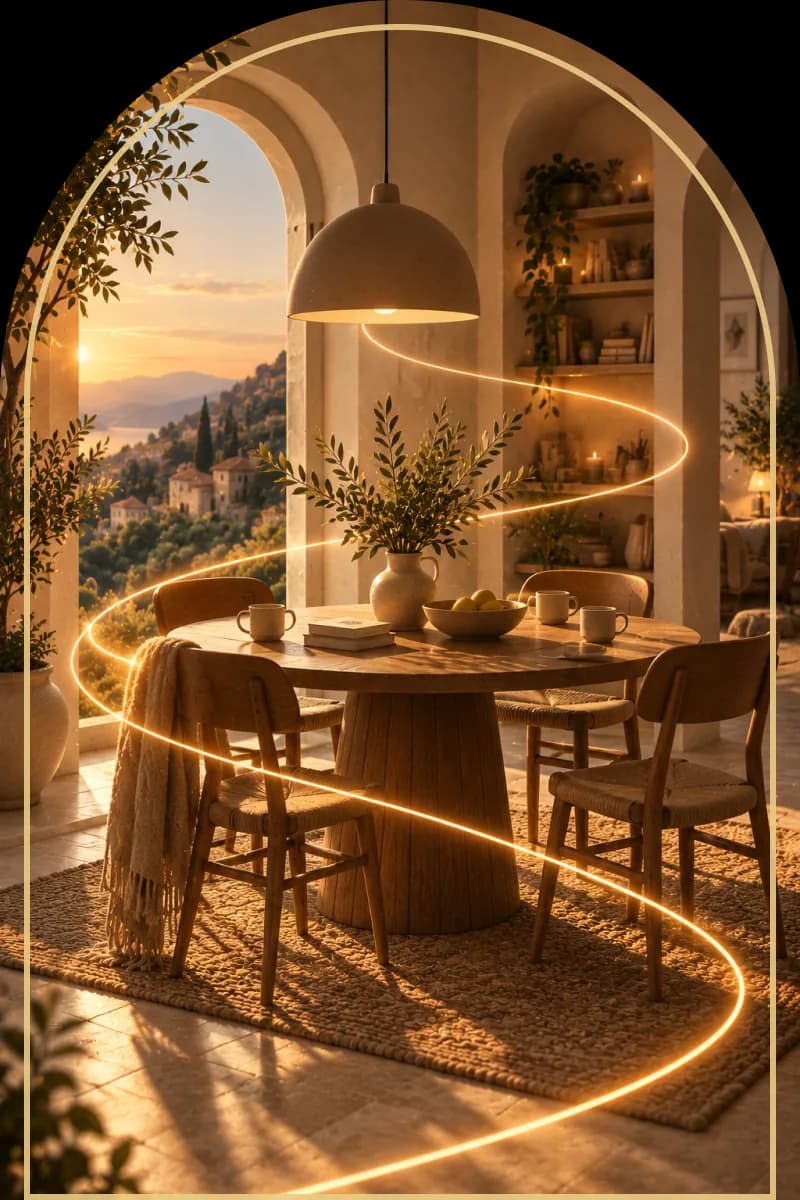
The Gatherer

The Harbour
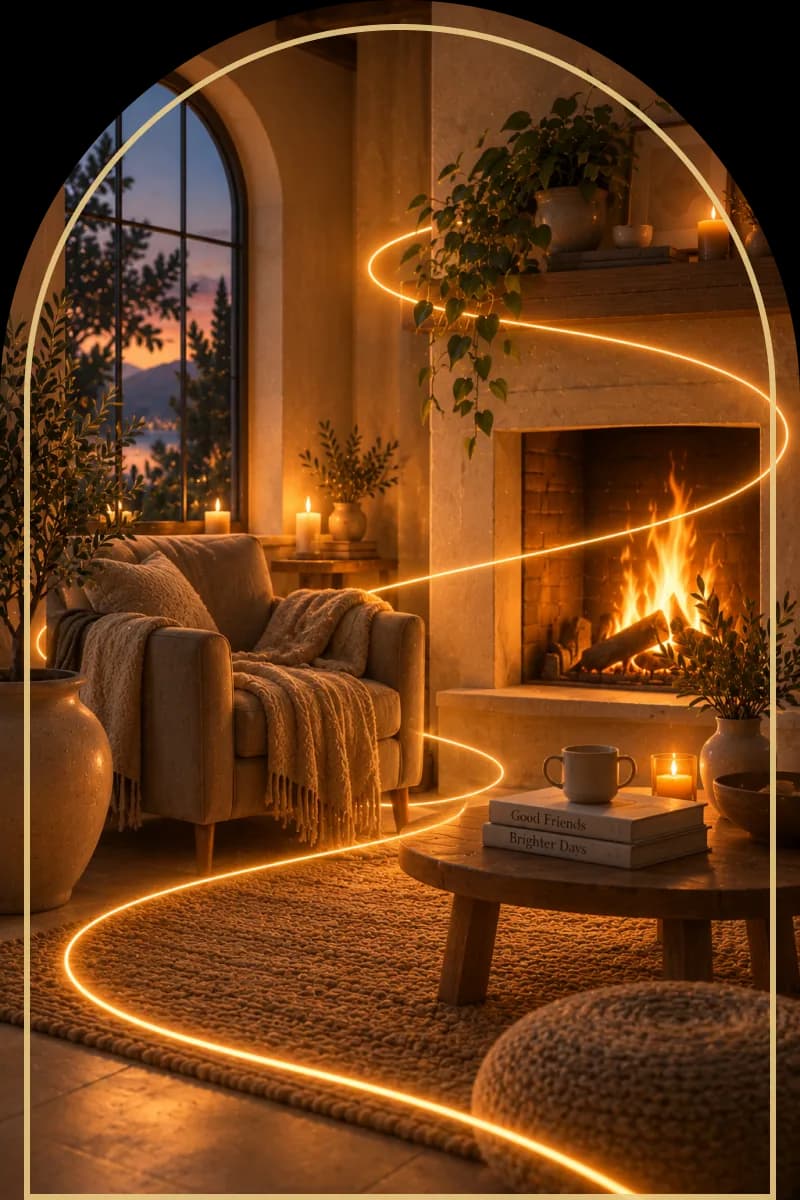
The Hearth
Four ways of showing up. Each one costs something.
A friendship style is the shape your friendships take when nothing decides for you, and two plain questions sit underneath all four. Who reaches first: whether you are the one who begins things or the one who answers well. And when friendship is at its best for you, whether it is one person or the room. Cross those two and you get the styles.

The Opener
You make the first move, one person at a time.
The one who says it out loud: the message that starts the evening, the check-in nobody asked for.
Read The Opener
The Gatherer
You make the first move, and you bring people with you.
The instinct to add a chair, book the table, start the thread.
Read The Gatherer
The Harbour
You do not chase, and you are still there.
The steady one who answers, remembers, and is still there after a long quiet.
Read The Harbour
The Hearth
People come to you, and they stay.
The kitchen at the party, the house people end up at.
Read The HearthHow the four differ
The Opener and the Gatherer share the first move and differ on scale: one writes to a person, the other opens a thread and watches it fill. The Harbour and the Hearth share the answering and differ the same way: one is the phone that always picks up, the other the house with its door on the latch. Down the other axis, the Opener and the Harbour are both built for the table for two; they simply arrive there differently, one by asking, one by being asked. And the Gatherer and the Hearth both live in full rooms, with one difference that changes everything: the Gatherer assembles the room, and the Hearth is where it assembles.
There is no best one to be. Each carries its own gifts and its own honest cost, and each page states both without flinching.
Sometimes the test says something more precise: a Steady Hearth, a Deep Opener. The word in front comes from the same answers, and it appears only when yours sat clearly to one side of your own average on memory, rhythm, or depth. Every combination has its own page, reached from the style it belongs to.
How the test was built, what it reads and what it leaves alone: the method page says it plainly. How it was built
Built from published friendship research, in Kinu's own vocabulary; how it was built is on the method page.
Further reading
The types of friends
Chosen or inherited, side by side or face to face, weekly or hardly ever: where each way of sorting your friends comes from, and what it misses.

Acquaintance or friend?
The line between an acquaintance and a friend is made of things that have happened: hours together, a sentence nobody needed, one invitation.
The types of friendships
Close, casual, inherited, online, and the friendships that end without an ending: where each label comes from, and what it cannot tell you.
What type of friend are you
What the styles are made of: who begins and who answers, whether friendship is at its best with a person or a room, and what a short test cannot see.
When two friendship styles meet
Why no reading here speaks for the friend you named, what the research says about who reaches first, and the question worth asking out loud instead.
The 7 levels of friendship
Six stages from William Rawlins, ending at a friendship going quiet, and a seventh that is not one of his: what happens after a friendship ends.