CRM personal en Notion frente a 23 apps dedicadas
¿Estás creando un CRM personal en Notion? Mira qué hace bien la plantilla, dónde se topa con un muro y 23 apps dedicadas, hechas para recordar a las personas que te importan.
La respuesta corta: un CRM personal en Notion funciona exactamente mientras sigas abriendo Notion. Si lo que de verdad quieres es recordar a la gente que te importa, no mantener una base de datos, una app dedicada sostiene el hábito por ti. Abajo comparamos las 23 opciones creíbles en una sola tabla.
Montaste la base de datos un domingo tranquilo. Una tabla con la gente que quieres, con columnas para cómo conociste a cada uno, los nombres de sus hijos y la última vez que de verdad hablaste con ellos. Durante unas dos semanas sentiste que tenías tus amistades más al día que nunca. Después llegó un jueves de mucho ajetreo. Se te olvidó abrir Notion, y la página sigue ahí desde entonces, desactualizándose poco a poco. Ese desvanecimiento lento es el problema de un CRM personal en Notion.
La gente construye un CRM personal en Notion porque mantener el contacto cuesta de verdad, tanto que ya existen 23 apps dedicadas a hacer ese trabajo.
Kinu es nuestra app, así que tenemos un interés en juego. Cada una de las demás herramientas recibe una descripción justa y precisa, las inactivas quedan señaladas, y los puntos flojos del propio Kinu aparecen en la lista junto a los del resto.
Qué es un CRM personal, y si Notion cuenta como tal
Qué es en realidad un CRM personal
Un CRM personal es un sistema privado para tu vida personal: para la gente de tu vida, no para tus clientes. Donde un CRM de ventas hace seguimiento de oportunidades de venta, una app de CRM personal guarda nombres, cómo conociste a cada persona, cumpleaños, los pequeños detalles que vale la pena recordar y una idea de con quién llevas tiempo sin hablar. El objetivo es estar presente para la gente que te importa, no ser productivo. En el fondo, es un problema de memoria. Escribimos sobre ese ángulo en recordar las cosas de tus amigos.
¿Es Notion un CRM? Más o menos.
De fábrica, no; si construyes uno dentro, sí. Notion es una base de datos flexible vestida de documento. Con una tabla, unas cuantas relaciones y algunos campos personalizados, puedes usar Notion como CRM perfectamente, y miles de personas lo hacen. Es un CRM como un cuaderno en blanco es una agenda: puede serlo, siempre que hagas el trabajo y lo sigas haciendo.
¿Prefieres solo nuestra lista corta? Lee las mejores apps para mantener el contacto. Este artículo es el catálogo completo: todas las opciones creíbles que pudimos encontrar, en una sola tabla que puedes repasar de un vistazo. Kinu, que hacemos nosotros, está en la tabla con todas las demás y tiene su propia reseña más abajo.
Qué hace bien una plantilla de CRM personal en Notion
Reconozcamos a Notion lo que se merece.
Las piezas básicas (bases de datos, relaciones, plantillas)
El núcleo de cualquier plantilla de CRM en Notion es una base de datos de personas. Añade una base de datos relacionada para interacciones o notas, enlaza las dos y obtienes una vista en los dos sentidos: haces clic en una persona y ves todo lo que está ligado a ella. Los campos personalizados te dejan inventar lo que a ti te importe, ya sea «cómo nos conocimos», «qué café pide» o «hijos». Las vistas filtran para ver solo a la familia, u ordenan por último contacto. Una plantilla ya hecha te entrega todo esto construido.
Dónde brilla Notion de verdad
Flexibilidad, precio y comunidad. Es gratis para uso personal, vive en el mismo espacio de trabajo que el resto de tu vida y hay una biblioteca enorme de plantillas para empezar. Busca «CRM personal Notion» y aparecen cientos. Si disfrutas construyendo sistemas, usar Notion como CRM personal tiene una satisfacción que una app cerrada nunca da. No peleas contra la idea de otra persona sobre cómo deberían funcionar las relaciones. Le estás dando forma a la tuya.
Dónde un CRM en Notion se topa con un muro para mantener el contacto
Aquí viene la parte que las capturas de las plantillas nunca muestran. Un registro de relaciones en Notion es un lugar maravilloso para guardar información y un mal lugar para que te la recuerden. Aparecen tres grietas, y juntas hacen algo peor.
Ningún aviso cuando ha pasado tiempo
Una base de datos no te busca. Notion guardará sin quejarse el dato de que no hablas con tu compañero de cuarto de la universidad desde marzo, pero nunca te lo va a decir. Mantener el contacto depende de que te acuerdes de mirar, y olvidarte de mirar es exactamente la razón por la que la gente pierde el contacto. Esta es la carencia más grande de todas, y la que la mayoría de las apps de abajo nacieron para cerrar. Es también la mitad más difícil de mantener las amistades siendo adulto.
Sin captura rápida en el teléfono
Tu amiga menciona que operan a su madre la próxima semana. Estás en la fila, con un café en la mano y treinta segundos antes de que te toque. Abrir la app de Notion, encontrar la base de datos correcta, encontrar a la persona correcta y añadir una nota son cuatro pasos de más. El momento pasa, y el detalle se va con él. La captura rápida en el teléfono es justo lo que a una herramienta de propósito general le cuesta darte.
Los cumpleaños y las fechas necesitan parches
Los cumpleaños y los aniversarios son fechas fijas, y Notion no trae ninguna alerta integrada para cuando llega una. La gente monta fórmulas de fechas, automatizaciones y sincronizaciones con el calendario para imitarla, y esos montajes se rompen sin avisar. Puedes crear una vista de cumpleaños, pero un recordatorio confiable suele exigir conectar otro servicio más. Si las fechas son tu principal preocupación, una herramienta dedicada lo resuelve de fábrica, y reunimos unas cuantas en las mejores apps de recordatorio de cumpleaños.
Juntas, dejan el hábito sin alimento
Eso es lo peor. Suma las tres grietas y un CRM personal en Notion solo funciona mientras lo sigas alimentando, y como nada te trae de vuelta, un día lo dejas de alimentar. A las dos semanas, la base de datos es un monumento a una buena intención. No es falta de disciplina. Es lo que pasa cuando una herramienta te pide acordarte de usar la herramienta que debía ayudarte a recordar.
Plantilla de Notion frente a app dedicada: cómo decidir
No tienes que elegir entre querer a Notion y mantener el contacto. Pero ayuda tener claro de qué lado de la línea estás. Profundizamos en nuestra guía de CRM personal frente a apps de relaciones.
Quédate con Notion si
Ya vives en Notion todo el día, disfrutas montando y ajustando sistemas, y quieres un solo espacio de trabajo para el trabajo, la vida y la gente. Tu círculo es lo bastante pequeño como para que una revisión manual al mes sea realista, y eres de las personas que de verdad hacen esa revisión. Si ese eres tú, quizá te baste una buena plantilla más un recordatorio recurrente para abrirla.
Cámbiate a una app dedicada si
Siempre tienes la intención de abrir la página y nunca terminas de hacerlo. La nota sobre la operación que tu amiga mencionó en la fila nunca llegó a entrar, y todavía no le escribes al compañero de cuarto del que no sabes nada desde marzo. Si esa es tu situación, la decisión es fácil: elige una app que recuerde por ti y dé el primer paso por ti, para que estar presente ya no dependa de tu fuerza de voluntad.
Las 23 apps dedicadas de CRM personal y para mantener el contacto, más Kinu, comparadas
Aquí está todo el panorama en un solo lugar, para que veas cuáles de estas apps dan el aviso que Notion nunca dará. Las apps inactivas llevan la fecha de su última actualización, los cambios de marca están indicados (Mesh era Clay), los precios sin verificar lo dicen, y Kinu aparece en la tabla con todas las demás, entre las opciones privadas.
| App | Enfoque / origen | Plataformas | Precio | Modelo de privacidad | Estado | Recordatorio o aviso |
|---|---|---|---|---|---|---|
| Catchup: Stay in Touch | Amigos y familia | iOS 17+, macOS 14+ (solo Apple) | Gratis, sin compras dentro de la app | En el dispositivo | Activav1.0 abr 2026 | Sí, ordena por más tiempo sin contacto |
| Poppy: Connection Keeper | Amigos y familia | iOS, iPad, macOS, visionOS (Android en lista de espera) | Gratis, sin compras dentro de la app | En el dispositivo, analíticas opcionales | Activav1.4.0 abr 2026 | Sí, recordatorios sin culpa |
| Hippo | Amigos y familia | Solo Apple (iOS, macOS, visionOS) | 14.99 USD al año / 29.99 USD una vez / prueba de 1 mes, sin plan gratuito | En el dispositivo, sincronización opcional por tu iCloud | Activav2.0.4 | Sí |
| Kinunuestra app | Amigos y familia, centrada en la relación | iOS, Android, Web | Gratis hasta 10 personas; Plus 6.99 USD/mes, 69.99 USD/año, 149.99 USD pago único | En el dispositivo, sincronización cifrada opcional | Activadisponible desde 2026 | Sí, un aviso suave cuando ha pasado tiempo |
| Keepsake | Amigos y familia | Solo iOS | Gratis, sin anuncios | En el dispositivo, sin cuenta, sin recopilación de datos | Activav1.0.1 abr 2026 | No es su enfoque (notas, ideas de regalo) |
| Amicu | Amigos y familia | Solo iOS (Android en lista de espera) | Plan gratuito más compras dentro de la app (~3.99 USD / 29.99 USD) | En el dispositivo, sin cuenta | Inactivaúltima actualización sep 2024 | Sí, contacto con un solo toque |
| Monica | Amigos y familia | Web, autoalojada (sin app móvil nativa) | Gratis autoalojada / 9 USD al mes / 90 USD al año | Autoalojada o en la nube | Activasin commit nuevo desde ago 2025 | Sí, recordatorios manuales |
| Bondery | Mixta, se inclina a lo profesional | Web, móvil, extensión de navegador, autoalojada (Docker) | Plan gratuito, 10 USD/mes el premium con IA | Autoalojada, alojamiento en la UE (aún sin cifrado E2E) | Activa | Sí |
| Meerkat CRM | Amigos y familia | Web autoalojada (Docker), CardDAV; sin app móvil nativa | Gratis (MIT), solo pagas el alojamiento | Autoalojada | Activaúltimo commit jul 2026 | Sí |
| Nametag (PRM) | Mixta (PRM de código abierto) | Web: alojada o autoalojada (Docker), CardDAV; sin app móvil nativa | Código abierto AGPL; autoalojarla es gratis; plan alojado gratuito, hasta ~2 USD/mes | Autoalojada o alojada, OIDC | Activaactualizada ~ene 2026 | No es su enfoque (grafo, diario) |
| Dex | Mixta, nacida como CRM | iOS, Android, Web, macOS, Windows | Suscripción de pago, prueba de 7 días; verifica al comprar | Sincronización en la nube, enriquecimiento (LinkedIn, correo, calendario) | Activa | Sí, recordatorios para mantener el contacto |
| Mesh (antes Clay) | Mixta, de corte profesional | Mac, Windows, Web, iOS | Gratis hasta 1000 contactos, Pro 10 USD/mes | Sincronización en la nube, enriquecimiento (cambios de trabajo, noticias) | Activarenombrada desde Clay en 2026 | Sí |
| Queue Personal CRM | Mixta | iOS, macOS, visionOS (sin Android) | 4.99 USD/mes o 49.99 USD/año (antes costaba más; verifica) | Nube, enriquecimiento; datos identificables en sus servidores | Activa | Sí, ordena a quién contactar |
| YourPond | Amigos y familia (y fundadores) | iOS más web complementaria (sin Android) | Gratis hasta 25 personas / 10 USD al mes / 100 USD al año | Nube, grafo de red; sin cifrado E2E | Activanueva | Sí |
| Moments | Mixta | Solo iOS (iOS 18+) | Gratis más compras dentro de la app (Premium 3.99 USD/mes, Pro 49.99 USD, Power 99.99 USD) | Nube, IA | Giróhacia un asistente de IA (v2.0) | Tareas sociales (IA), no puramente mantener el contacto |
| Warmli | Mixta | Web (afirma tener escritorio y móvil, sin verificar) | De 5 a 25 USD al mes, prueba de 7 días | Nube, enriquecimiento; privacidad explicada de forma inconsistente | Activalistada en feb 2026 | Sí, borradores de contacto con IA |
| amiqo | Amigos y familia | iOS, Android | Gratis | Nube; el marketing dice privado, la etiqueta de datos es amplia (verifica) | Activaactualizaciones frecuentes (v4.1.x) | Sí, la IA redacta mensajes con tu forma de escribir |
| Ringur | Amigos y familia | Solo Android | Freemium, sin anuncios, ~2 USD/mes | Nube | Activanueva (jun 2026) | Sí, un aviso diario con IA (Dunbar) |
| tinyblu | Mixta (amigos y vínculos débiles) | Solo web (PWA) | Sin precio visible (probablemente gratis, sin confirmar) | Nube, política modesta | Activahecha por una sola persona | Sí, resumen semanal para reconectar |
| Norrie | Amigos y familia | Solo web / SaaS | Gratis hasta ~20 contactos, Pro 5 USD/mes | Nube, centrada en la privacidad (sin auditar) | Activa | Sí, resumen semanal y panel de cumpleaños |
| Social Contact Journal | Mixta | Solo iOS | Freemium ~4 USD/mes | Nube | Activaactualizada mar 2026 | Sí, intervalos de contacto personalizables |
| Fabriq | Amigos y familia | iOS, Android (solo móvil) | Gratis / 4.99 USD al mes / 39.99 USD al año | Nube | Activav2.4.6 jun 2026 | Sí, avisos para reconectar |
| Garden: Stay in Touch | Mixta | Solo iOS | Gratis | Nube | Inactivaúltima actualización jun 2020 | Sí, recordatorios recurrentes de contacto |
| Keep My Friends | Amigos y familia | Web | Antes de pago, hoy sin precio visible | Nube (recordatorios por correo) | Inactivacerrada a registros nuevos desde 2023 | Sí, regla de días máximos más correo diario |
Filtra por lo que a ti te importa
La lista es larga, así que las secciones de abajo agrupan estas apps según lo que suele decidir la elección: guardar los datos en tu dispositivo, el autoalojamiento, el enriquecimiento automático, las herramientas web y móviles más ligeras, y los recordatorios sin más. No necesitas las cinco; elige la que encaje contigo y sáltate el resto.
Apps que guardan tus datos en tu dispositivo
Estas apps guardan tus notas en tu teléfono o en tu Mac, no en el servidor de una empresa. Si toda la razón por la que querías dejar Notion era la privacidad, empieza por aquí. Profundizamos en nuestra guía de CRM personal privado.
Catchup: Stay in Touch lo guarda todo en tu teléfono, ni siquiera tu historial de llamadas sale de ahí, y coloca al principio de la lista a la persona que estás perdiendo poco a poco. Es la opción gratuita más limpia de este grupo, con una salvedad: la 1.0 salió en abril de 2026 y todavía no tiene reseñas, así que serías de los primeros en adoptarla.
Hippo tiene el modelo de sincronización más privado entre las apps de pago: pasa por tu propio iCloud Drive, nunca por los servidores del desarrollador, y no hay cuenta que crear. El inconveniente es el alcance: es una app joven con apenas un puñado de calificaciones a sus espaldas.
Poppy: Connection Keeper convierte tu círculo en un jardín visual que cuidas, algo encantador o cursi según tu gusto. Los datos viven primero en tu dispositivo, y las analíticas anónimas se pueden apagar. La versión 1.4 llegó en abril de 2026, aunque las reseñas siguen siendo pocas.
Amicu es el caso frustrante: una calificación de 4.7 y un diseño limpio y sin cuenta, pero ninguna actualización desde septiembre de 2024. Todavía funciona, y su desarrollador la sigue presentando como vigente, pero casi dos años sin una versión nueva son un riesgo real que conviene sopesar.
Keepsake no recopila absolutamente nada, ni siquiera pide una cuenta, y suma sugerencias de ideas de regalo como extra. También es una de las apps más nuevas de esta página, publicada por primera vez en abril de 2026, así que tiene menos trayectoria que casi cualquier otra.
Kinu también pertenece a este grupo; le dedicamos su propia sección más abajo.
Apps de código abierto que puedes autoalojar
Si prefieres que el servidor sea tuyo, estas son de código abierto y se pueden autoalojar. Cambias comodidad por control.
Monica es la opción privada con más funciones de esta lista, y también la más exigente: todo se anota a mano, y no hay app móvil nativa que lo facilite. Es la opción por defecto para quien se maneja bien con la infraestructura: autoalojada bajo AGPL para tener el control completo, o alojada desde 9 USD al mes. Si te gusta la idea pero no el mantenimiento, nuestro artículo sobre una alternativa a Monica CRM la compara con un enfoque más ligero.
Bondery trabaja a la vista de todos: código AGPL, alojamiento en la UE y un historial de commits público que puedes leer línea por línea. Se inclina hacia lo profesional y combina LinkedIn con funciones de IA. Es joven y tiene pocos usuarios, y su propia documentación reconoce que el cifrado de extremo a extremo todavía no está implementado.
Meerkat CRM lo reduce todo a una app ligera de Go y React que administras tú mismo, y esa es justamente la idea. Su historial de commits sigue vivo hasta julio de 2026. Exige sentirse de verdad cómodo con el autoalojamiento y no ofrece app móvil. Una advertencia: no es Meerkat Teammate AI, un producto que no tiene ninguna relación.
Nametag (PRM) es un gestor de relaciones personales de código abierto del desarrollador mattogodoy y, para que quede claro, no es el Nametag empresarial de verificación de identidad, así que asegúrate de llegar al correcto. Lo que lo distingue es un grafo interactivo de tu red de relaciones; se autoaloja gratis con Docker o se usa alojado en nametag.one por hasta unos 2 USD al mes, con alrededor de mil estrellas a comienzos de 2026. Si quieres ser dueño de tus datos y ver tu círculo como un grafo, merece un vistazo.
Apps que reúnen tu red automáticamente
Estas apps hacen lo contrario del mantenimiento manual de Notion. Reúnen tu red por ti: leen tu correo, tu calendario y tus cuentas sociales para construir los perfiles de forma automática. Este es el grupo para quien conoce a mucha gente y no puede mantener los perfiles al día a mano. Esa comodidad es también la contrapartida de privacidad. Si UpHabit era tu antigua casa para esto, mira nuestro artículo sobre alternativas a UpHabit.
Dex junta LinkedIn, correo y calendario en una sola línea de tiempo, lo más cerca que una app en la nube llega a un CRM personal completo. No pudimos verificar el precio actual, así que compruébalo al comprar en lugar de confiar en una cifra vieja. Más en nuestra comparativa Dex frente a Kinu.
Mesh es la app que antes se llamaba Clay, renombrada en 2026 después de que clay.earth empezara a redirigir a me.sh. Enriquece los contactos automáticamente con cambios de trabajo y noticias, y se inclina hacia lo profesional. El enriquecimiento impresiona, igual que la enorme cantidad de datos de la que se alimenta. En nuestro artículo Clay frente a Kinu están las contrapartidas.
Queue Personal CRM es la que llega más hondo de todas las de esta página: incorpora tus Contactos, iMessage, llamadas, Gmail y LinkedIn. Ese alcance es la contrapartida entera, porque almacena datos identificables en sus servidores. Su precio bajó hace poco desde un nivel más alto, así que verifícalo antes de comprar.
YourPond tiene un giro distintivo: dibuja cómo se conectan tus contactos entre sí, con un grafo de red, rutas de presentación e incluso árboles genealógicos, además de entrada por voz. El precio se paga en privacidad: no tiene cifrado de extremo a extremo, y su etiqueta en la App Store declara ubicación, contactos y fotos vinculados a ti.
Moments salió en 2023 como CRM personal, pero desde entonces giró hacia Moments AI: Personal Assistant, con la calificación reiniciada en la versión 2.0. Hoy ofrece un redactor con IA y tareas sociales, no una herramienta para mantener el contacto, así que si la recuerdas como app de relaciones, ten presente que ahora es un producto distinto.
Warmli usa IA para sacar a la luz los hitos de tus contactos y redactar el mensaje. Ese radar de hitos es su verdadero atractivo. Es una herramienta web, aunque afirma tener apps de escritorio y móvil que no pudimos confirmar, y su planteamiento de privacidad cambia de una página a otra de su propio sitio. Listada apenas en febrero de 2026, es tan nueva que conviene empezar con unas pocas personas y no con toda tu red.
Herramientas más ligeras: un resumen semanal o una IA que redacta el mensaje por ti
Estas son las herramientas pequeñas y ligeras, y se dividen según cuánto hacen por ti. Dos se apoyan en la IA para señalar a quién contactar y redactar las palabras; las otras tres se limitan a enviar un resumen semanal o llevar un diario, y te dejan la escritura a ti. En cualquier caso, lee las etiquetas de privacidad con atención.
amiqo se presenta como privada, pero su propia etiqueta en la App Store declara bastante más, así que léela antes de confiar. A su favor: señala a los amigos con los que estás perdiendo el contacto y redacta un mensaje tal como escribes tú, y es gratis y se actualiza con frecuencia.
Ringur reduce toda la idea a un único aviso diario con IA, hacia un solo amigo, con el número de Dunbar como marco. Llegó en junio de 2026, así que es más prometedora que probada. Una nota práctica: ringur.com es un dominio estacionado; la app de verdad vive en ringur.dan-gur.com.
tinyblu está hecha por una sola persona, lo que es a la vez su encanto y su riesgo, y se nota en la letra pequeña: la política de privacidad es una pieza modesta adaptada del texto estándar de Automattic. Guarda notas de conversaciones pasadas tanto de amigos cercanos como de vínculos más débiles. El precio es invisible, así que probablemente sea gratis por ahora, aunque no está confirmado.
Norrie se gana su lugar por una función: paquetes de preguntas que te empujan más allá de un escueto «tomamos café» hacia los detalles que de verdad perduran. Alrededor hay búsquedas guardadas, un panel de cumpleaños, un resumen semanal e importación y exportación de vCard. Se presenta como centrada en la privacidad, aunque no hay ninguna auditoría independiente que lo respalde.
Social Contact Journal es la opción que pone el diario primero, construida alrededor de momentos capturados, fotos, notas de voz y recuerdos escritos, más que de cualquier automatización. Ese enfoque conquista a algunas personas y deja frías a otras; ronda las 3.4 estrellas. Su última actualización es de marzo de 2026, así que sigue teniendo quien la cuide.
Apps de recordatorio sencillas, incluidas dos que se han estancado
A veces lo único que quieres es un recordatorio para escribirle a alguien. Estas tres ofrecen exactamente eso.
Fabriq parece abandonada y no lo está: el sitio web está viejo, pero la versión 2.4.6 salió en junio de 2026, así que sigue muy viva. Te pide elegir un grupo pequeño de personas importantes y no te suelta hasta que reconectas. Más en nuestro repaso de alternativas a Fabriq.
Garden: Stay in Touch está inactiva, con su última actualización en junio de 2020 y un sitio que todavía dice copyright 2018, así que tómala como una apuesta. Debajo del polvo hace bien lo sencillo: una frecuencia de contacto por persona y espacio para unas cuantas notas.
Keep My Friends es en realidad una pieza de museo: está cerrada a registros nuevos desde 2023, y la mencionamos solo porque todavía aparece en las búsquedas. La idea era buena: un número máximo de días sin hablar con cada amigo, y después un recordatorio diario por correo.
Una app inactiva, una muerta y una que solo acumula polvo se ven idénticas desde fuera. Distinguirlas bien nos llevó una página aparte: el cementerio de los CRM personales revisa once apps a mano contra fuentes primarias, y dos de los tres obituarios publicados que encontramos estaban equivocados.
Dónde encaja Kinu
Lo decimos sin rodeos: Kinu es la app que hacemos nosotros. Kinu es un lugar privado, donde tus datos viven primero en tu dispositivo, para guardar las pequeñas cosas que vas notando en la gente que te importa, con un aviso discreto cuando el tiempo se ha ido pasando. Donde una plantilla de Notion te pide mantener una base de datos, Kinu te pide un par de segundos. Añades a una persona, anotas un momento y sigues con tu día. Tus datos se quedan en tu dispositivo salvo que actives la sincronización cifrada. No hay feeds, ni seguidores, ni rachas.
Si llegaste hasta aquí buscando una opción privada, esta es la razón práctica para quedarte con Kinu: Catchup, Hippo y Poppy son solo para Apple, mientras que Kinu funciona en iOS, Android y la web. Es gratis hasta 10 personas, en el teléfono o en la web, con los datos en local en cada uno. Kinu Plus cuesta 6.99 USD al mes, 69.99 USD al año o 149.99 USD una sola vez, y añade personas ilimitadas y sincronización cifrada entre tus dispositivos. Sus límites: está pensada primero para el teléfono, y el plan gratuito se queda en 10 personas, así que está hecha para un círculo cercano y no para una red de 300. Y como esta página señala que otras dos apps no tienen cifrado de extremo a extremo, toca decirlo con la misma claridad: Kinu tampoco lo tiene. La sincronización se cifra en tu dispositivo antes de subir, y el servidor guarda solo ese paquete cifrado, pero no vamos a afirmar que jamás podríamos descifrarlo. La hace Freshlab y vive en Kinu.
Cómo pasar de una plantilla de Notion a una app dedicada
El cambio es más fácil de lo que parece, porque la mayor parte de lo que construiste con tanto cuidado en Notion no es la parte que de verdad necesitas.
Qué exportar
Notion exporta cualquier base de datos a CSV. Descarga el archivo antes de cancelar nada y llévate las tres cosas que importan: los nombres, los cumpleaños y fechas importantes, y un par de notas reales por persona. Esa es la parte que sostiene todo tu sistema, y cabe en un solo CSV.
Qué dejar atrás
Deja ir el esquema: las relaciones, los rollups y las propiedades personalizadas que configuraste y nunca completaste. Una app dedicada tiene su propia forma de guardar esto, y volver a cargar tu círculo cercano a mano se hace en minutos y te ayuda a recordar más de lo que lo haría una importación masiva.
El cambio suele sentirse como un alivio. Cambias un sistema que tenías que mantener por uno que mantiene vivo el hábito por ti.
Preguntas frecuentes
La conclusión
Notion es una base de datos excelente y flexible, y montar una plantilla de CRM personal en Notion puede ser un verdadero placer. Lo que no puede hacer es buscarte a ti, y buscarte es todo el trabajo. Esa única carencia, inofensiva en cualquier día suelto, es la razón de que existan las otras 23 apps de esta lista.
Elige según lo que viniste a buscar. Las mejores apps para mantener el contacto son la lista corta, las opciones de CRM personal privado ponen tus datos por delante, y el mejor CRM personal para amigos y familia es la que te dice cuánto cuesta cada una y cuándo publicó su última versión.
Ahora imagina el próximo jueves de mucho ajetreo. La tabla que montaste aquel domingo tranquilo sigue ahí, tal como la dejaste, un poco más desactualizada cada semana, porque una base de datos espera y nunca viene a buscarte. Una herramienta hecha para esto sí te busca, y el compañero de cuarto de la universidad que estabas a punto de perder vuelve a saber de ti. Si quieres algo que cargue con el mantenimiento para que tú solo tengas que estar presente para tu gente, esa es toda la idea detrás de Kinu. Decidas lo que decidas, sin presión. El mejor CRM personal es el que seguirás usando dentro de tres meses.
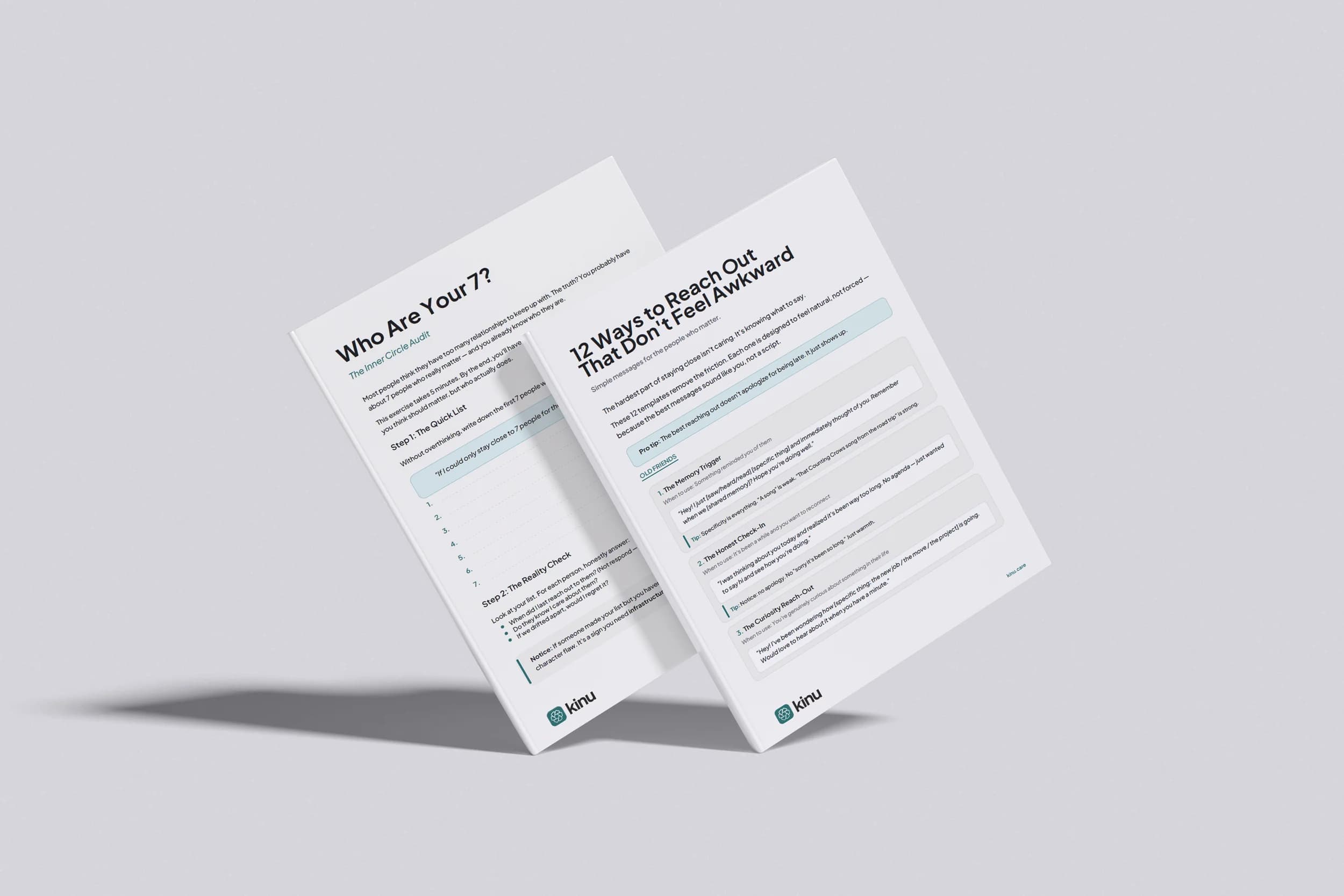
Kit de Reconexión gratis
Encuentra tu círculo cercano en cinco minutos.
Un ejercicio de 5 minutos para encontrar tu círculo cercano y 12 plantillas para escribirles sin que se sienta forzado. Gratis, descarga inmediata.
Descarga inmediata. Sin spam. Cancela cuando quieras.
Sigue leyendo
CRM personal para amigos y familia: las listas las escriben las propias apps
Cada comparativa de esta categoría la publica una de las apps que aparecen en ella, esta incluida. Aquí está el mapa, ordenado por una regla que puedes comprobar, con cada precio leído en la página del propio producto.
El cementerio de los CRM personales: cuáles cerraron y cuáles solo lo parecen
UpHabit cerró sus apps en abril de 2026. Contrastamos once CRM personales, el nuestro incluido, con fuentes primarias y dos de los tres obituarios que comprobamos resultaron falsos, uno de ellos el nuestro.
App de relaciones vs gestión de contactos: por qué importa la distinción
Las herramientas de gestión de contactos organizan datos. Las apps de relaciones apoyan la conexión. Esta es la diferencia real. Y cuál necesitas tú.