App de relaciones vs gestión de contactos: por qué importa la distinción
Las herramientas de gestión de contactos organizan datos. Las apps de relaciones apoyan la conexión. Esta es la diferencia real. Y cuál necesitas tú.
Intenta buscar una app para mantenerte cerca de amigos y familia. Obtendrás resultados de CRMs, gestores de contactos, herramientas de networking y plugins de Salesforce.
Nada de eso es lo que estás buscando. Pero internet todavía no ha descifrado la diferencia.
Esta es la razón por la que la distinción entre gestión de contactos y apps de relaciones importa. Y por qué elegir la categoría equivocada significa que terminarás con una herramienta que hace que tus amistades se sientan como un pipeline de ventas.
Gestión de Contactos: Qué Es
La gestión de contactos consiste en organizar información. Nombres, números de teléfono, direcciones de email, títulos de trabajo, afiliaciones a empresas, notas de reuniones. El objetivo es poder encontrar todo y ser eficiente. Asegurarte de que puedas localizar los datos de la persona correcta cuando los necesites.
Las herramientas en este espacio incluyen: Apple Contacts, Google Contacts, HubSpot, Salesforce, Fullcontact.
Estas herramientas están diseñadas alrededor de una suposición central: las personas son recursos profesionales que hay que organizar, acceder y aprovechar.
Esa suposición funciona perfectamente para los negocios. Es terrible para las relaciones personales.
Apps de Relaciones: Qué Son
Las apps de relaciones se centran en la conexión. Te ayudan a estar consciente de quién importa, notar cuándo las relaciones se están enfriando y hacer que comunicarte se sienta natural en lugar de transaccional.
Las herramientas en este espacio incluyen: Kinu (una app compañera de relaciones, tranquila y privada), Soonly, Amato, y (históricamente) Fabriq.
La suposición central es diferente: las personas son relaciones que hay que nutrir, no contactos que hay que gestionar.
Esto se refleja en cada decisión de diseño:
| Característica | Gestor de Contactos | App de Relaciones |
|---|---|---|
| Las personas se llaman | Contactos | Personas, amigos, familia |
| Registras | Interacciones, puntos de contacto | Momentos, recuerdos, notas |
| El objetivo es | Organización, eficiencia | Cercanía, consciencia, cuidado |
| Los recordatorios dicen | "Hacer seguimiento al prospecto" | "Hace tiempo que no hablas con Sara" |
| El éxito es | Datos completos, pipeline lleno | Las relaciones se sienten vivas |
| El diseño se siente | Profesional, eficiente | Cálido, tranquilo, personal |
El Problema del Lenguaje
Parte de la confusión es lingüística. El mercado no ha establecido un vocabulario para herramientas de relaciones personales, así que la gente recurre a términos familiares. (Para una comparación relacionada que se enfoca en el lado CRM de esta división, consulta CRM personal vs apps de relaciones.)
CRM Personal
La etiqueta más común, y es engañosa. CRM significa Customer Relationship Management. No tienes clientes en tu vida personal (o si los tienes, ese es otro problema).
Gestor de Contactos
Implica que necesitas gestionar a las personas, lo que enmarca las relaciones como trabajo.
Rastreador de Relaciones
Mejor, pero "rastreador" todavía suena clínico.
El Término Ideal
"Compañera de relaciones" o "guardiana de conexiones". Algo que transmita apoyo en lugar de gestión. Pero hasta que el mercado se estandarice, tendrás que leer más allá de las etiquetas.
Cómo Saber a Qué Categoría Pertenece una Herramienta
Mira el proceso de inicio
Te pide importar todos tus contactos, ¿o agregar a las personas que te importan? Importación masiva = gestión de contactos. Adición selectiva = app de relaciones.
Lee el lenguaje de marketing
"Aprovecha tu red" vs. "mantente cerca de tu gente." "Pipeline" vs. "círculo íntimo." "Gestionar" vs. "nutrir." El vocabulario te dice todo sobre para quién está construido el producto.
Busca la gamificación
Conteos de rachas, puntuaciones y métricas de rendimiento son señales de psicología de gestión de contactos disfrazada con ropa más amigable.
Pregunta: ¿escala a 1000 personas?
Si la respuesta es sí, es un gestor de contactos. Las herramientas de relaciones reales reconocen que solo puedes conectar de forma significativa con un número limitado de personas y se diseñan en consecuencia.
¿Cuál necesitas?
Necesitas gestión de contactos si:
Tienes cientos de contactos profesionales que organizar. Necesitas rastrear interacciones con fines comerciales. Quieres integración con herramientas CRM como Salesforce. Piensas en términos de networking y relaciones profesionales.
Necesitas una app de relaciones si:
Quieres mantenerte cerca de amigos y familia. Te sientes culpable por perder el contacto con personas que te importan. Quieres apoyo para la conexión, no un sistema para rastrear. Te incomodaría llamar a tus amigos "contactos."
Podrías necesitar ambos si:
Mezclas relaciones personales y profesionales (considera Dex como punto medio). Eres fundador o consultor donde lo personal y profesional se superponen.
FAQ
Kinu es una app de relaciones, no un gestor de contactos. Sin lenguaje de CRM. Sin pipelines. Solo un lugar tranquilo y privado para las personas que importan. Pruébala gratis.
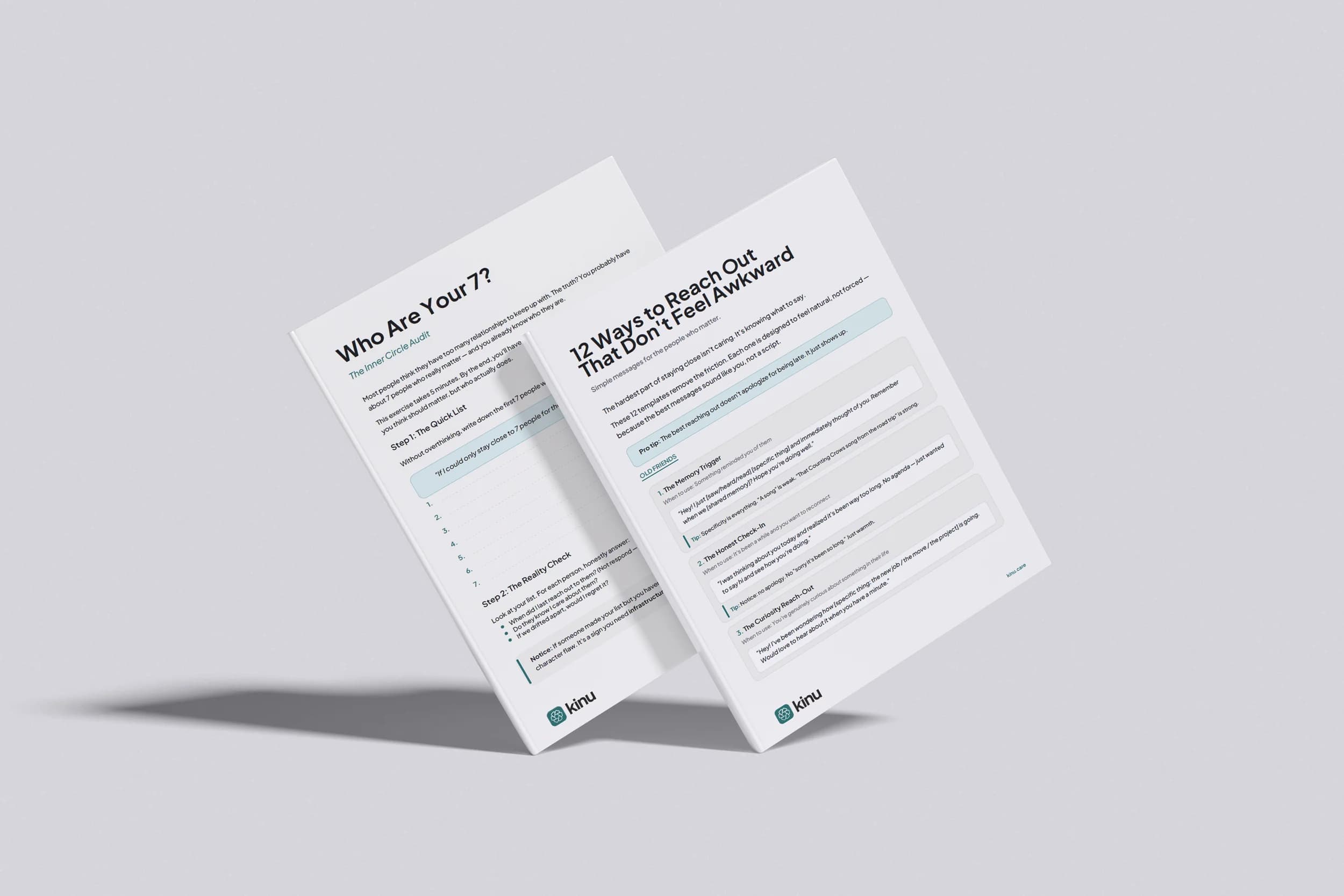
Kit de Reconexión gratis
Encuentra tu círculo cercano en cinco minutos.
Un ejercicio de 5 minutos para encontrar tu círculo cercano y 12 plantillas para escribirles sin que se sienta forzado. Gratis, descarga inmediata.
Descarga inmediata. Sin spam. Cancela cuando quieras.
Sigue leyendo
CRM personal para amigos y familia: las listas las escriben las propias apps
Cada comparativa de esta categoría la publica una de las apps que aparecen en ella, esta incluida. Aquí está el mapa, ordenado por una regla que puedes comprobar, con cada precio leído en la página del propio producto.
El cementerio de los CRM personales: cuáles cerraron y cuáles solo lo parecen
UpHabit cerró sus apps en abril de 2026. Contrastamos once CRM personales, el nuestro incluido, con fuentes primarias y dos de los tres obituarios que comprobamos resultaron falsos, uno de ellos el nuestro.
CRM personal en Notion frente a 23 apps dedicadas
¿Estás creando un CRM personal en Notion? Mira qué hace bien la plantilla, dónde se topa con un muro y 23 apps dedicadas, hechas para recordar a las personas que te importan.